Project Brief
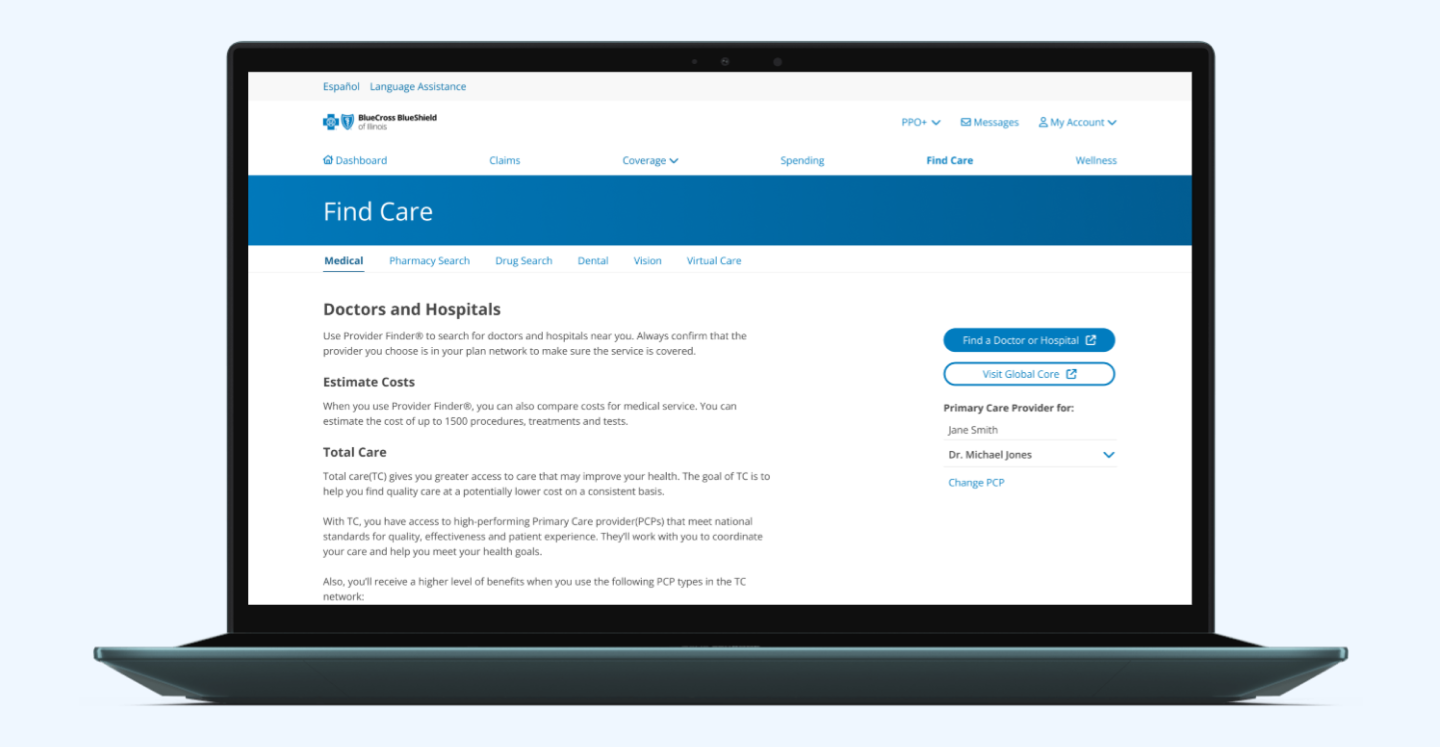
Find Care Medical is the primary insurance portal for Blue Cross Blue Shield members to find in-network providers, hospitals, and specialized care. The platform aims to empower members to find the right care at the right time.
The Problem: Identifying Friction
The original platform was a top ten reason for support calls. To identify why, I analyzed call center logs, Adobe Analytics, and feedback surveys. I then collaborated with a researcher to conduct a moderated study.
Key Pain Points Identified:
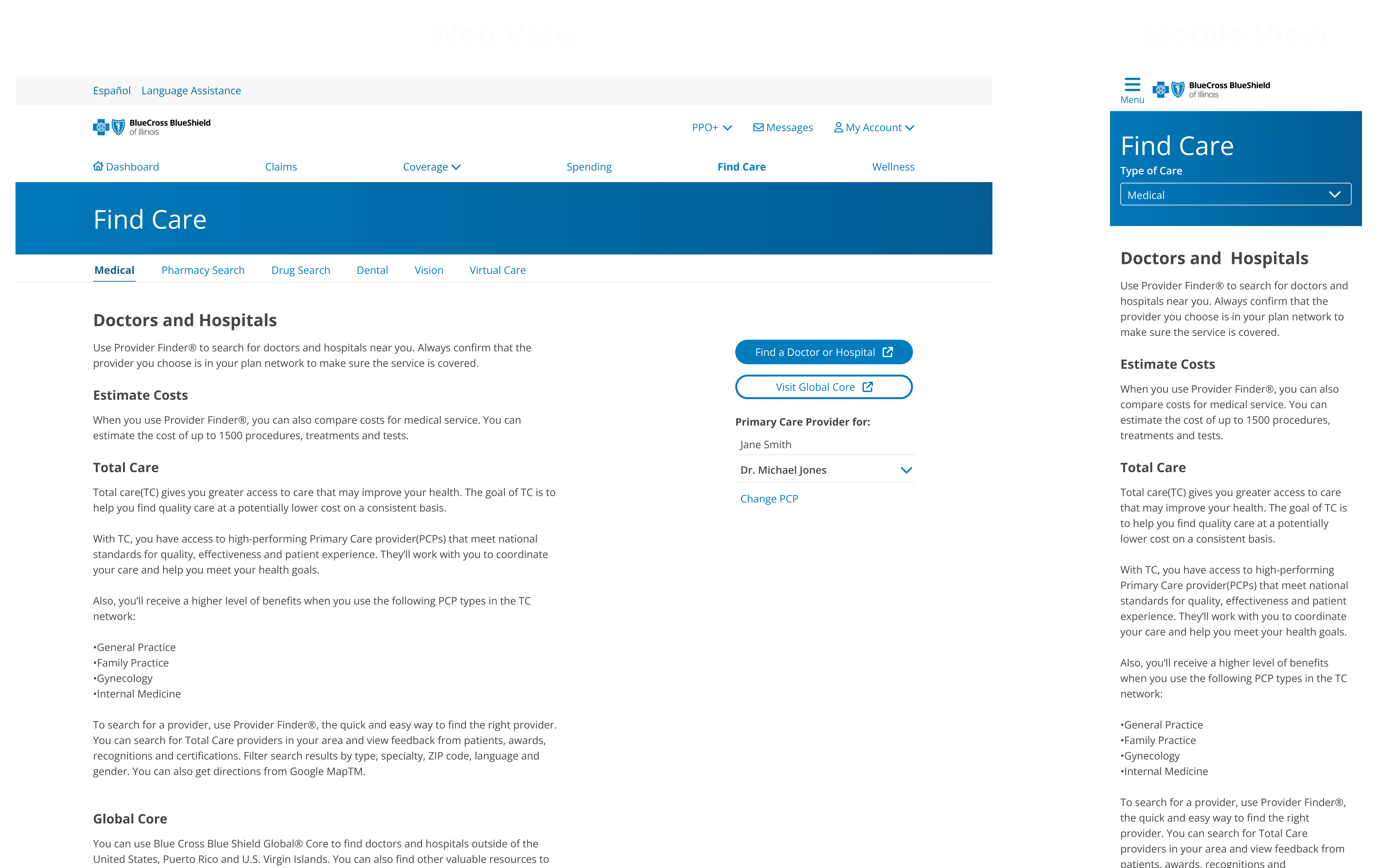
- Information Overload: Excessive text overwhelmed members, leaving them confused about their next steps.
- CTA Confusion: Actionable items were clustered together without clear guidance.
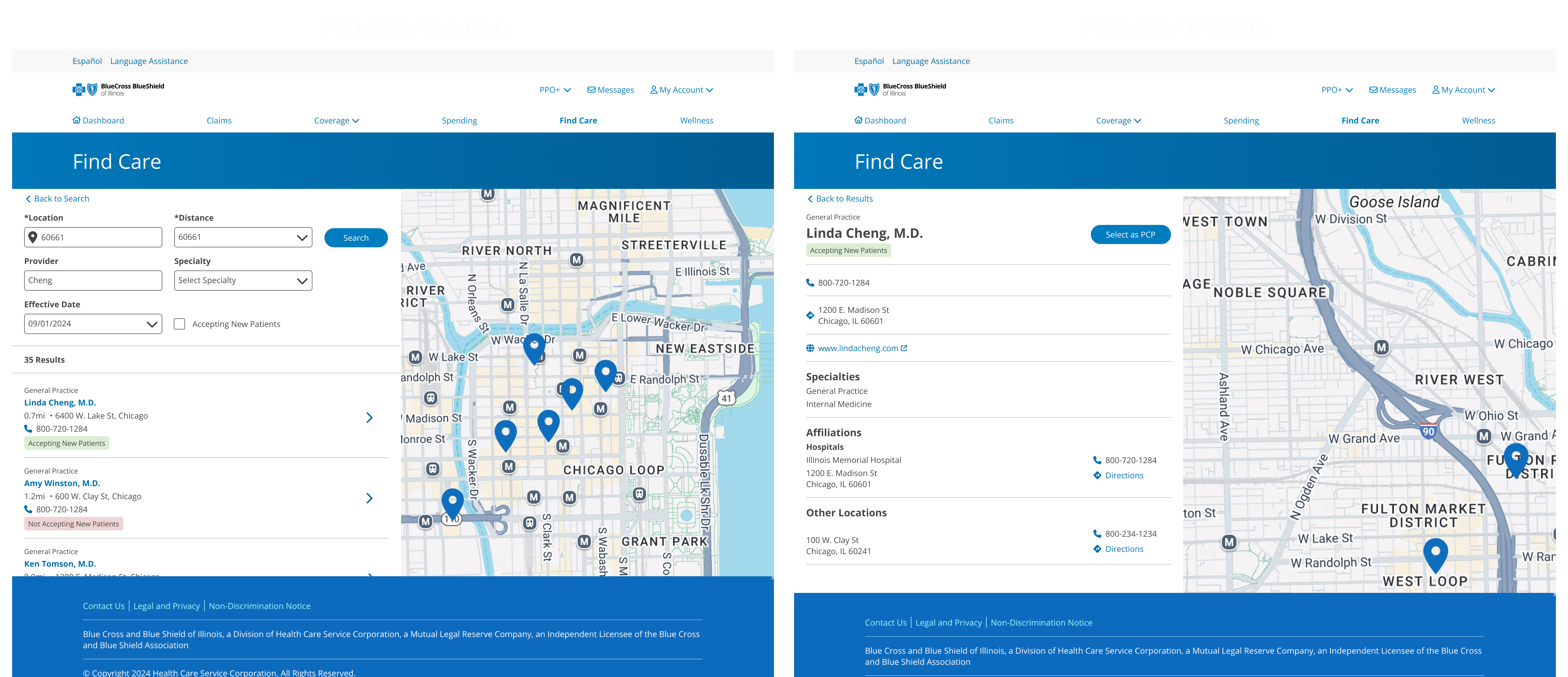
- Transparency Issues: Members couldn't easily tell if a provider was in-network from the search results
- Mobile Hurdles: Members couldn't easily tell if a provider was in-network from the search results
Before (Homepage)
Before (Provider Search)
The Solution: Data-Driven Redesigning
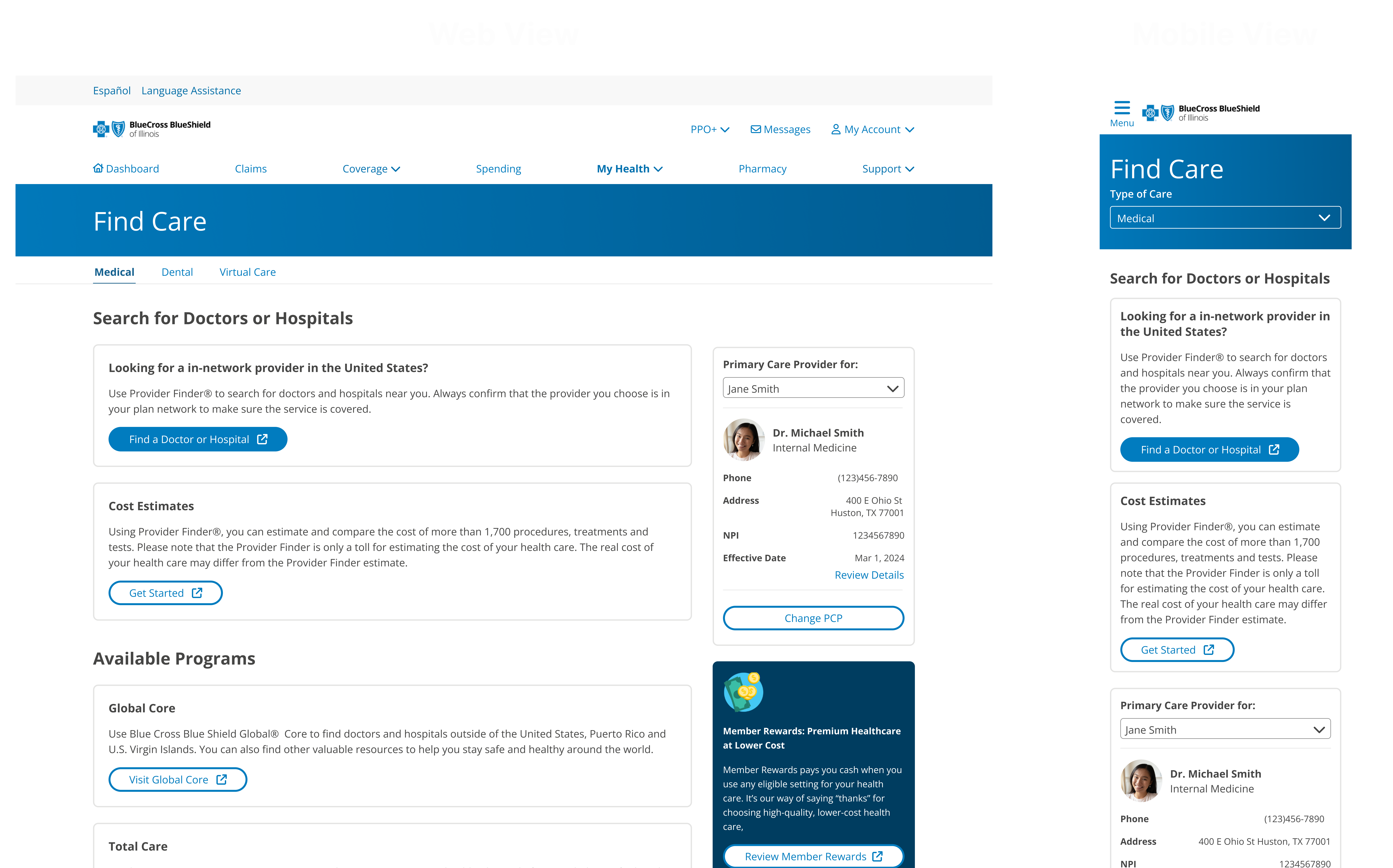
I restructured the experience to prioritize scannability and clarity across web and mobile.
- Logical Grouping: I added section titles and grouped similar services together. I used usability testing to determine the most effective prioritization of these groups.
- Contextual CTAs: Actionable buttons were placed within related content sections and updated with keywords to guide user navigation.
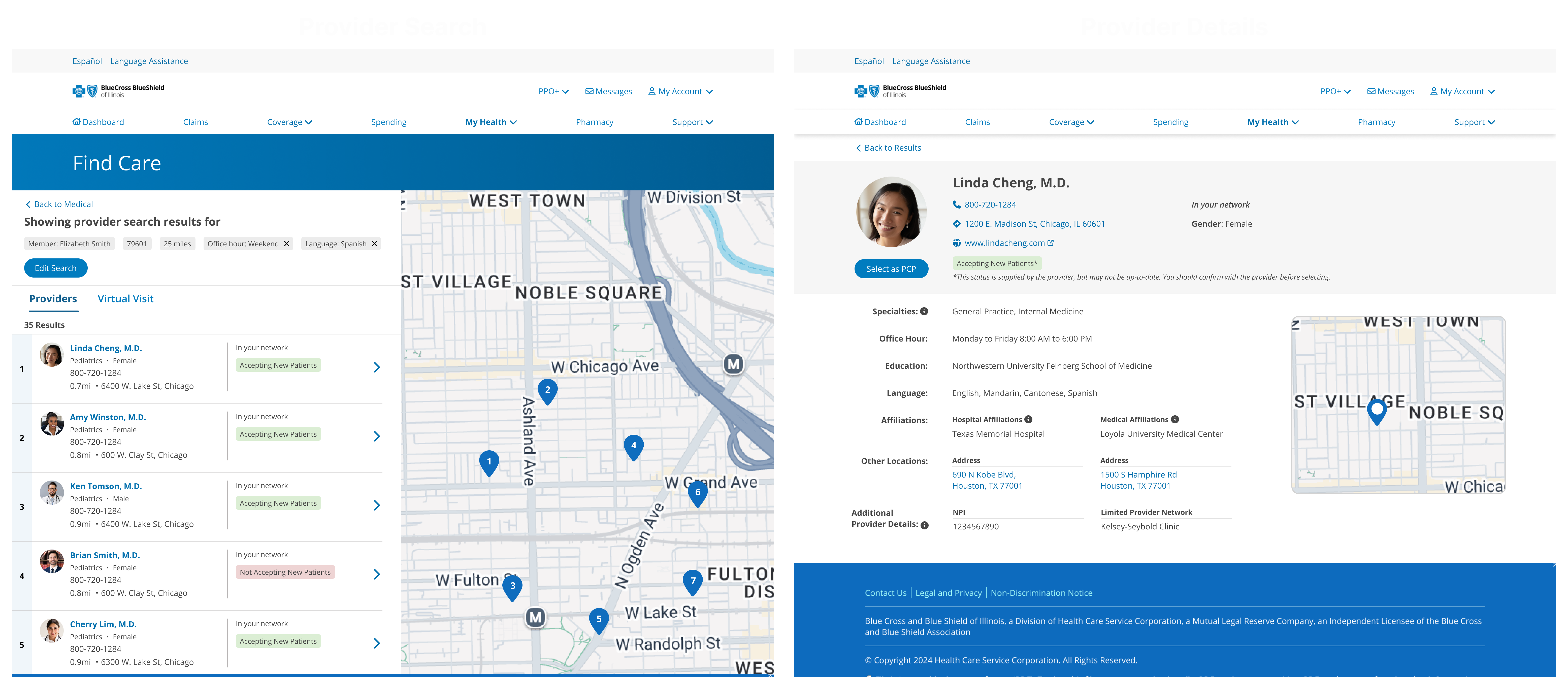
- Search Transparency: I added an explicit "In-Network" indicator to provider details.
- Visual Mapping: To fix the disconnect between list and map views, I added matching numbers to both the list entries and map pins.
- Future-Proofing: I implemented tags in the search functionality to allow for future criteria scaling.
After (Homepage)
After (Provider Search)
Challenges & Resolution
The Challenge: Balancing an overwhelming amount of information with the need for a clean, accessible interface on mobile.
How I Overcame It:
- Collaboration: I worked closely with developers to assess feasibility and optimize the use of available provider data.
- Mobile-First Hierarchy: By grouping items and using titles, we ensured the most critical information was visible without excessive scrolling.
- Empathy-Led Iteration: By focusing on the user's perspective rather than just the technical requirements, I was able to advocate for the removal of redundant text that was causing cognitive load.
Final Outcome
Since the redesign launched in June 2024, the impact has been measurable and significant:
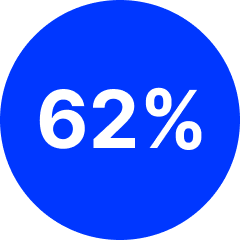
- 62% Reduction in Support Calls: Successfully shifted the needle on a major business KPI.
- Increased Efficiency: Analytics show members are navigating the site and finding information more independently
- Improved Accessibility: The updated hierarchy and cleaner layout improved the experience for all users, including those using assistive technologies.
Key Takeaway:
By grounding design decisions in actual user behavior (call center data and moderated studies), we transformed a source of frustration into a high-performing self-service tool.